Compared to standard steel silos, thermally insulated silos effectively minimize the impact of the external environment on the temperature of the stored grain, ensuring a consistently stable and safe storage condition.
Why are insulated grain silos better suited for long-term storage?
1. Effectively reduces temperature fluctuations inside the silo
Standard steel silos conduct heat rapidly. In summer, direct sunlight can raise the surface temperature of the steel plates to over 60°C, quickly transferring significant heat into the silo. In contrast, insulated silos utilize high-efficiency insulation materials, which significantly mitigate the impact of diurnal temperature differences, slow the rate of external heat ingress, and result in more gradual changes in grain temperature. This helps sustain the low-temperature storage environment created by grain cooling systems. Stable grain temperatures suppress grain respiration, thereby reducing storage losses at the source.
2. Prevents condensation on silo walls
Condensation is a major challenge in regions with significant day-night temperature fluctuations. When external air temperatures change rapidly, condensation easily forms on the roofs of standard steel silos.
Condensation can lead to localized grain dampness, mold growth, grain caking, and accelerated corrosion of the silo walls.
Insulation layers significantly reduce the temperature gradient across the silo wall, bringing the wall temperature closer to that of the stored grain, thereby effectively minimizing condensation. This is particularly crucial for long-term storage.
3. Maintains stable grain quality
Grain quality depends not only on moisture content but is also significantly influenced by storage temperature.
Insulated silos can slow the rate of temperature rise within the grain mass, thereby reducing self-consumption caused by respiration and slowing the rate of fat oxidation. They also help preserve protein quality, delay aging, and maintain seed germination rates.
These advantages are particularly significant for grain varieties requiring long-term storage, such as paddy rice, wheat, corn, and soybeans.
4. Reduces the incidence of pest infestations
The optimal temperature range for the growth of stored-grain pests is generally between 25°C and 35°C. Standard steel silos heat up quickly in summer, creating an environment conducive to pest reproduction.
Insulated silos, when combined with airtight storage technology, can maintain the low or near-low temperature environments created by grain cooling systems for extended periods. This minimizes grain temperature fluctuations and reduces the frequency of fumigation. This not only lowers grain losses but also decreases the use of chemical agents, aligning with the trend toward eco-friendly grain storage practices.
5. Better suited for airtight storage
Modern grain storage technology increasingly emphasizes the use of airtight, insulated silos. Excellent airtightness offers several benefits: it reduces air exchange, maintains a low-oxygen environment within the storage bin, enhances the effectiveness of nitrogen-based grain storage, prolongs the retention time of carbon dioxide, and improves the overall efficiency of modified-atmosphere storage. For entities handling export grain, strategic reserves, or food processing, superior airtightness translates into a longer safe storage period.
6. Energy Conservation and Consumption Reduction
In grain silos requiring mechanical ventilation or temperature control, thermal insulation performance directly determines energy consumption. Because the insulation layer minimizes heat exchange, the frequency of ventilation is reduced, cooling energy consumption drops, the operating time of temperature control equipment is shortened, and overall operating costs decrease. For large-scale grain storage facilities, the long-term energy-saving benefits are substantial.
How to Select a High-Quality Insulated Grain Silo?
When purchasing insulated grain silos, enterprises should focus on the following key aspects:
Insulation Structure Design: Whether the insulation layer thickness, material properties, and overall thermal insulation performance meet local climatic requirements.
Airtightness: Whether high-quality sealing designs are used for silo doors, roofs, and connection points to ensure a long-term low-oxygen storage environment.
Steel Structure Quality: Use of high-strength galvanized steel, corrosion-resistant fasteners, and sound structural design to enhance the overall service life.
Smart Control System: Whether the system supports automatic monitoring and remote management of grain temperature, humidity, ventilation, and storage conditions.
Project Experience and After-Sales Service: Whether the supplier has experience implementing large-scale grain silo projects and can provide design, installation, commissioning, and technical support.
Choosing an experienced manufacturer with mature technology not only ensures reliable equipment performance but also reduces long-term operating costs and guarantees the stable, long-term operation of the grain silo.
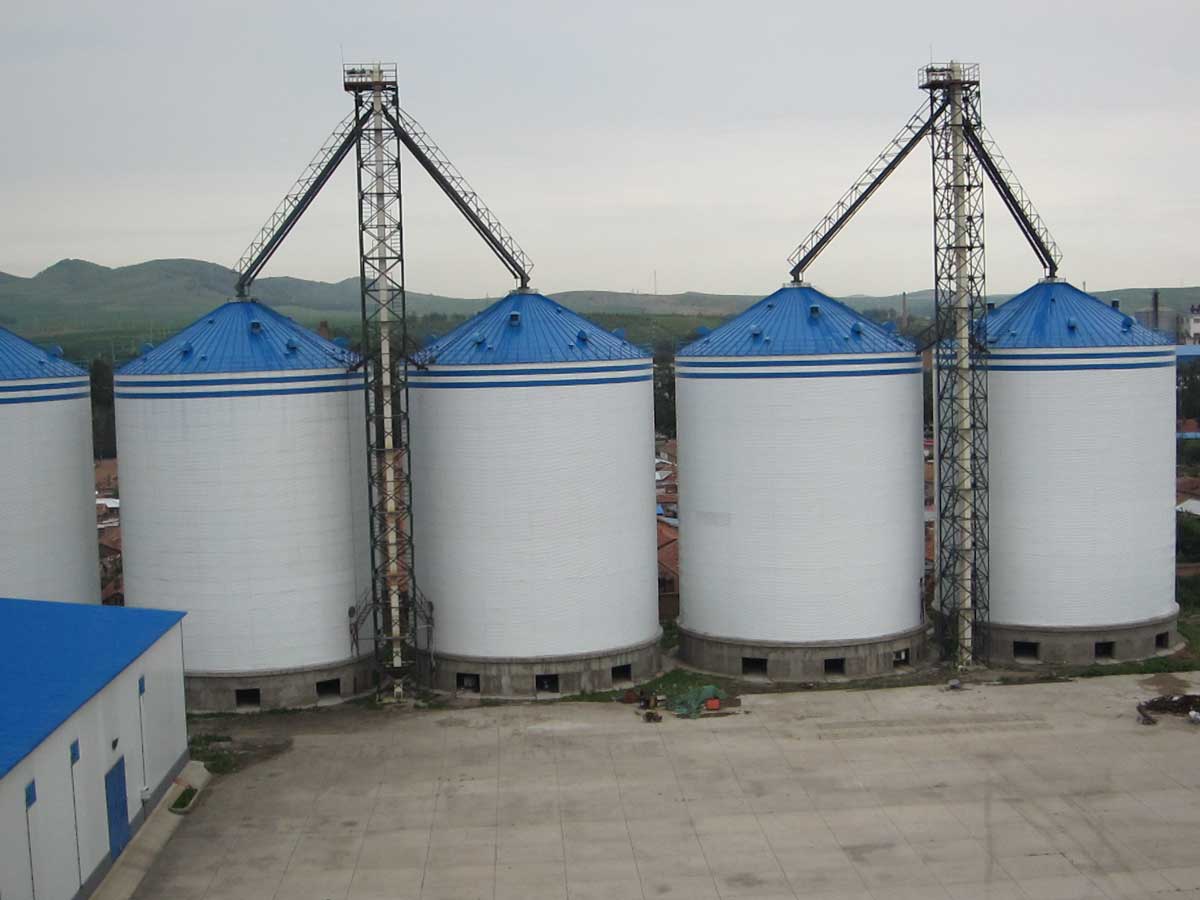
With the continuous advancement of modern grain storage technology, thermally insulated grain silos have evolved beyond mere upgrades of traditional steel silos; they now represent a next-generation, long-term storage solution that integrates high-efficiency thermal insulation, superior airtightness, intelligent monitoring, eco-friendly storage practices, and energy-efficient operations. For regions characterized by high temperatures, high humidity, or extreme cold, the use of airtight, insulated silos not only effectively controls grain temperature, minimizes condensation, and prevents pest and mold damage, but also significantly reduces grain loss while enhancing storage quality and operational efficiency. From national grain reserves and processing enterprises to large-scale agricultural projects, thermally insulated silos are emerging as a key trend in modern grain storage infrastructure, driven by their outstanding overall performance.
FAQ
1. What is the main difference between insulated grain silos and standard steel grain silos?
Insulated grain silos feature a high-performance insulation layer and an airtight sealing system. These effectively minimize external heat transfer and internal condensation, making them particularly suitable for long-term grain storage in regions with high temperatures and humidity.
2. What types of grain are suitable for storage in airtight, insulated silos?
They can be used to store wheat, corn, paddy rice, soybeans, sorghum, legumes, oilseeds, and various grain seeds, meeting the long-term storage requirements for both national grain reserves and commercial storage facilities.
3. Can insulated grain silos reduce grain loss?
Yes. Stable internal temperature and humidity inhibit grain respiration and reduce the risk of pest infestations and mold growth, thereby effectively minimizing storage losses and preserving grain quality.
4. Do insulated grain silos support smart management?
Yes. Modern insulated grain silos are typically equipped with intelligent systems—such as grain temperature and humidity monitoring, automatic ventilation, remote control, and early warning systems—to enable digital grain storage management.
5. Which regions are best suited for the construction of insulated grain silos?
Regions characterized by high temperatures, high humidity, or significant diurnal temperature fluctuations—such as Southeast Asia, Africa, the Middle East, South Asia, South America, and southern my country—are ideal for using insulated grain silos for long-term storage.
.jpg)

.jpg)
.jpg)
.jpg)