As the modern grain storage industry continues to upgrade towards intelligence and digitalization, enterprises are increasingly demanding higher standards for storage safety, precise inventory management, and automated control, making grain silo level monitoring systems increasingly important. For grain enterprises, choosing a stable, accurate, and intelligent steel silo level monitoring system can not only improve storage management efficiency but also effectively reduce operating costs and ensure the safety of grain storage.
Why must grain steel silos be equipped with material level monitoring systems?
Grain steel silos are typically characterized by large capacity, high height, and strong sealing, and are widely used in the storage of grains such as wheat, corn, rice, and soybeans. In traditional warehousing management, silos are mainly equipped with high and low material levels. The high material level prevents overflow, ensures production safety and continuity, and automatically intervenes to stop feeding through alarms, preventing accidents. The core function of the low material level is to trigger early warnings or automatic control to prevent production interruptions, equipment idling, or material supply disruptions, ensuring the safe and continuous operation of the system.
In traditional silo management, the remaining material level cannot be determined directly from the high and low material levels. External metering equipment is needed to calculate the material quantity through statistical management, which is complex and prone to errors. Installing professional grain silo level monitoring systems has become an important trend in the modern grain storage industry. Through automated monitoring equipment, companies can monitor the grain level, inventory changes, and storage operation status in real time, thereby achieving more efficient, safe, and intelligent warehousing management.
What are the core functions of a grain silo level monitoring system?
1. Real-time inventory data monitoring: The level monitoring system continuously collects grain height data within the silo 24 hours a day, helping companies accurately grasp inventory levels. For large grain depots, real-time inventory data not only improves management efficiency but also provides data support for procurement, transportation, and sales.
2. Prevention of overflow and empty silo accidents: During grain transportation, if the grain level cannot be accurately determined, overflow, blockage, or equipment idling can easily occur. By installing a steel silo level monitoring system, high and low level alarms can be set, enabling automatic early warning and effectively reducing the risk of equipment failure.
3. Improved grain storage safety: During grain storage, changes in grain level are closely related to grain temperature, humidity, and ventilation. Through intelligent level monitoring, companies can conduct more scientific grain condition analysis and storage management, reducing problems such as mold and condensation.
Common Types of Steel Silo Level Monitoring Systems
Currently, grain silo level monitoring systems on the market mainly include the following technical solutions:
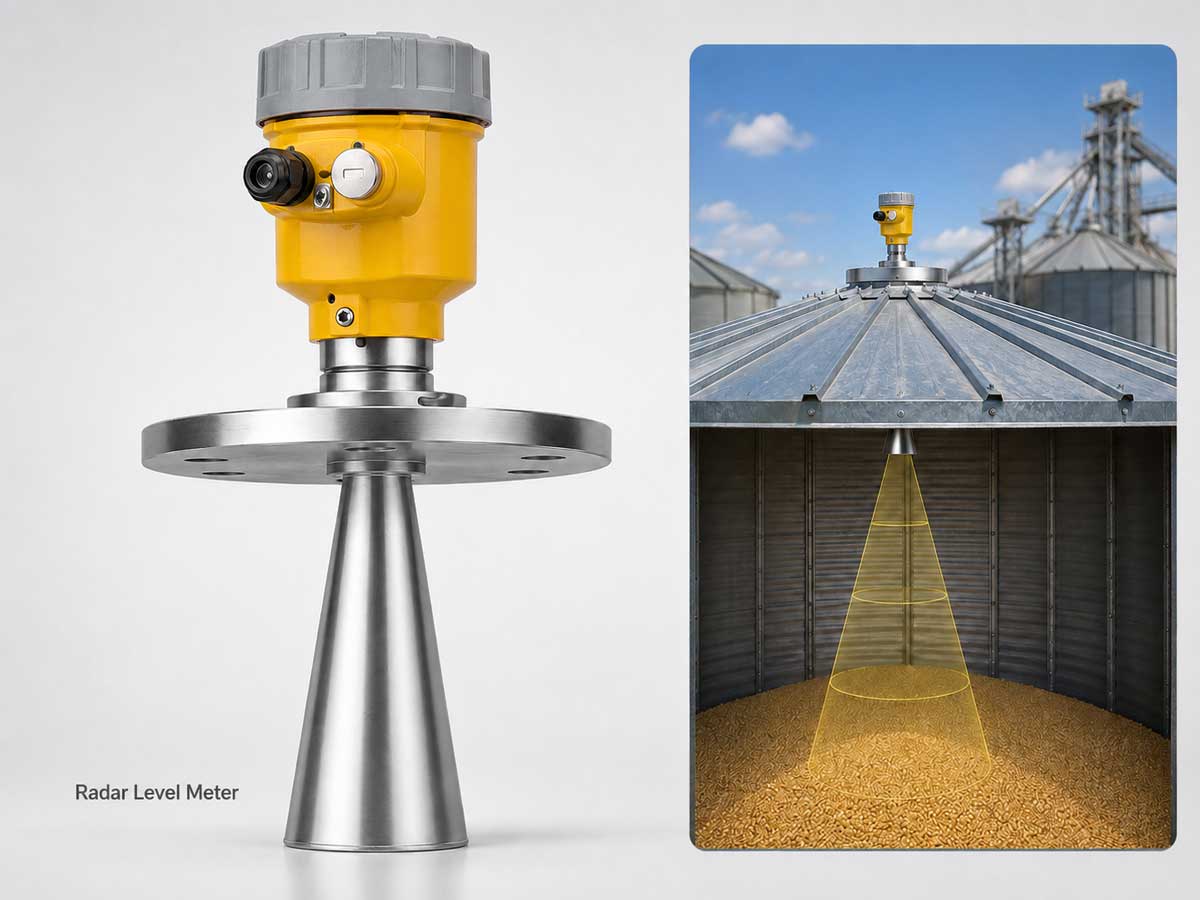
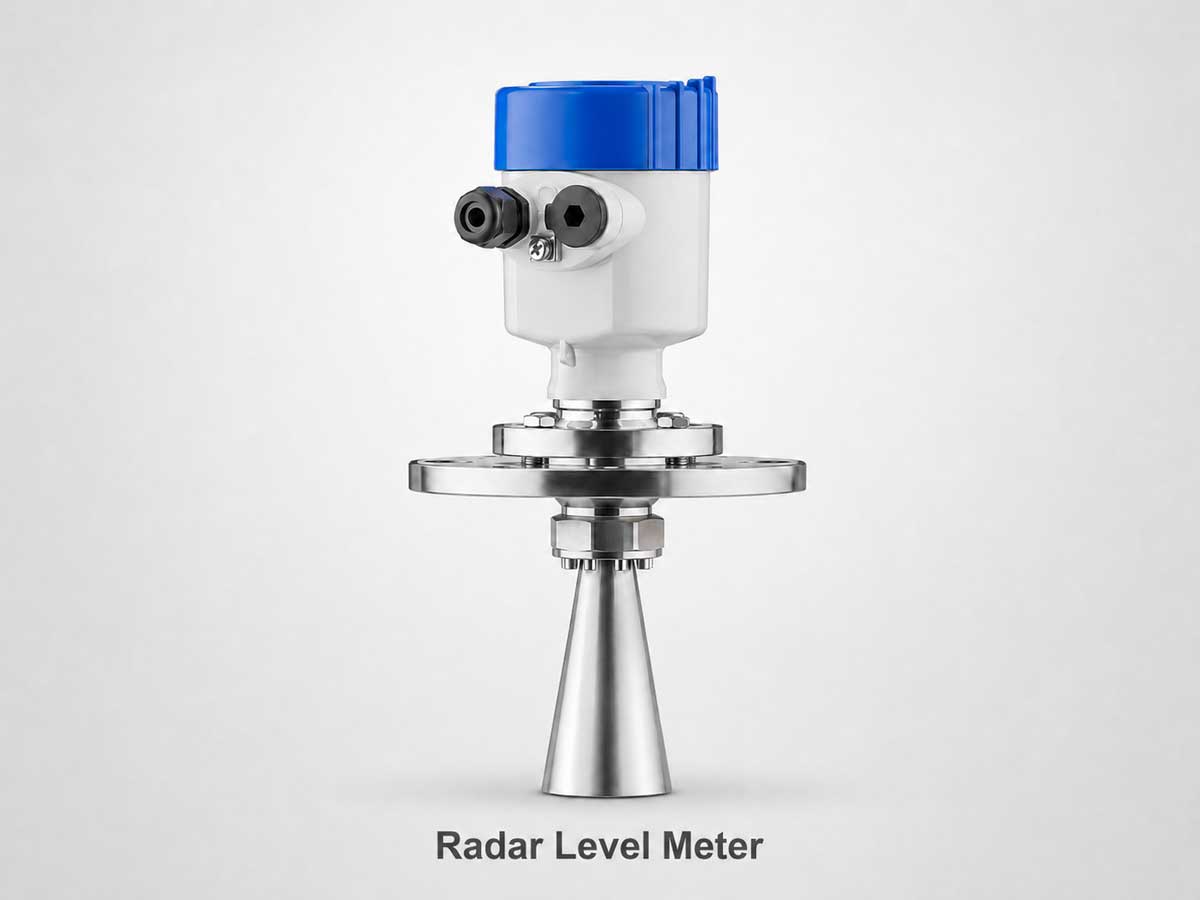
1. Radar Level Monitoring System
Radar level gauges use the microwave reflection principle to achieve non-contact measurement by emitting and receiving electromagnetic waves. This is currently the most widely used technical solution for large grain silos.
Advantages:
High measurement accuracy
Unaffected by dust
Strong stability
Suitable for high-density environments
Supports continuous real-time monitoring
Applicable Scenarios:
Large steel silos, high-dust environments, smart grain silo projects. In recent years, radar steel silo level monitoring systems have become an important component of smart grain silo construction.
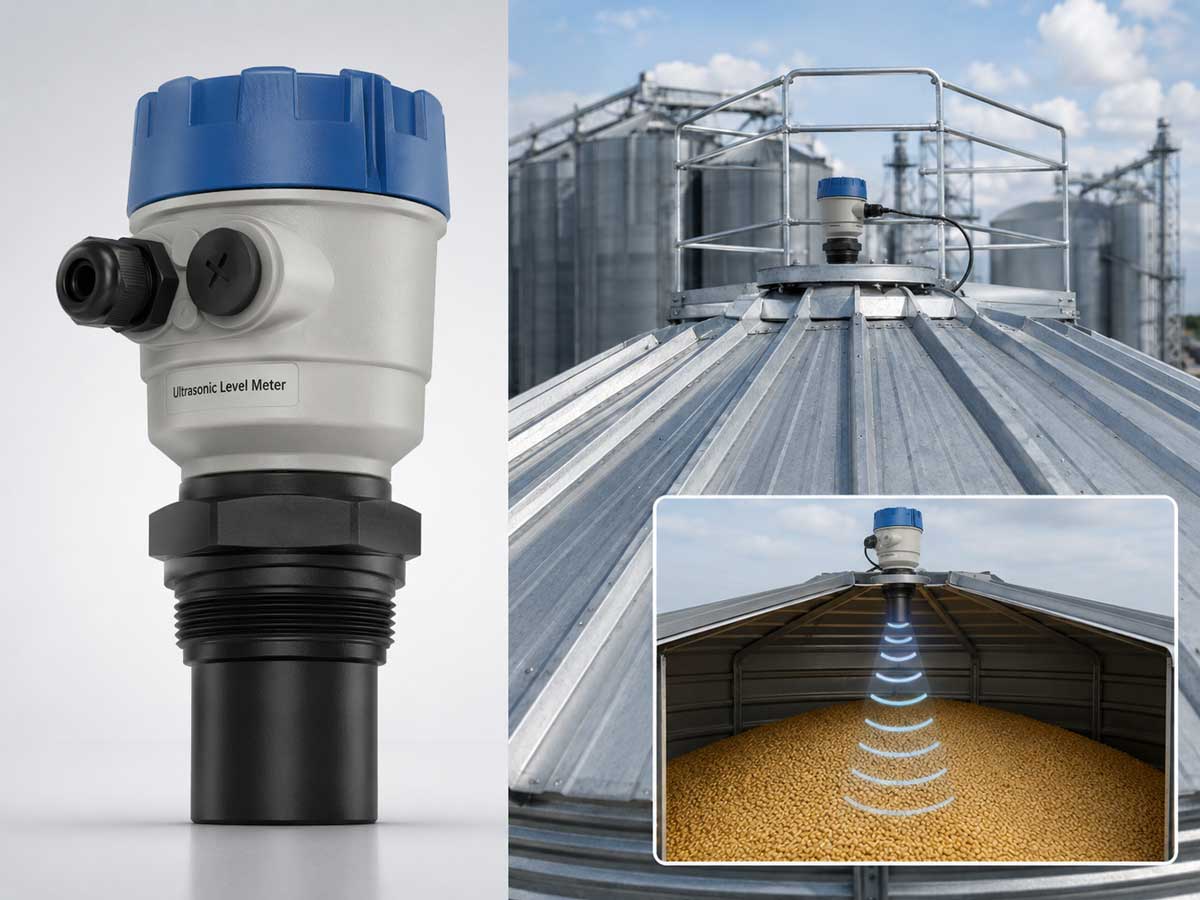
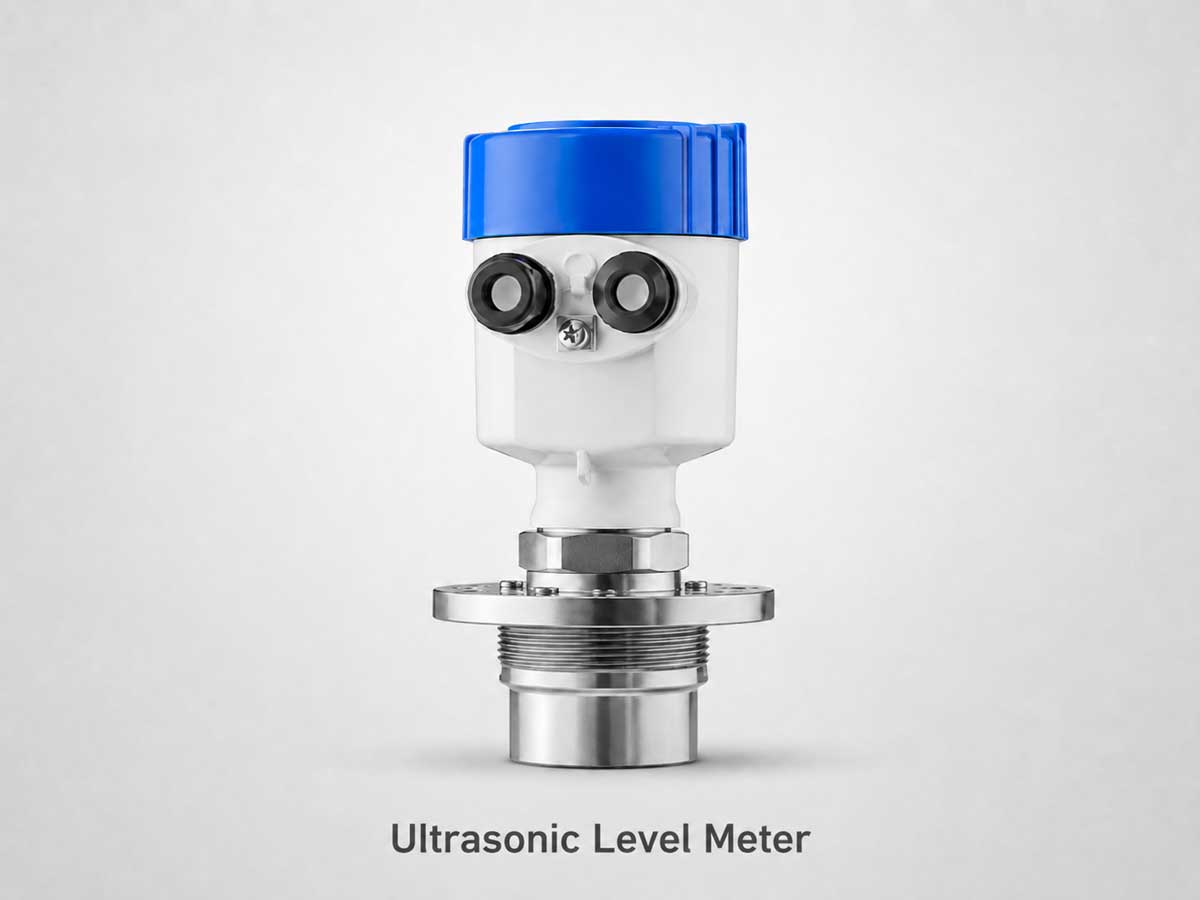
2. Ultrasonic Level Monitoring System
Ultrasonic systems measure grain height through sound wave reflection.
Advantages:
Lower cost
Simple installation
Suitable for small and medium-sized grain silos
Disadvantages:
Susceptible to dust and temperature/humidity
Relatively weak measurement stability
Applicable Scenarios:
Small and medium-sized storage projects.
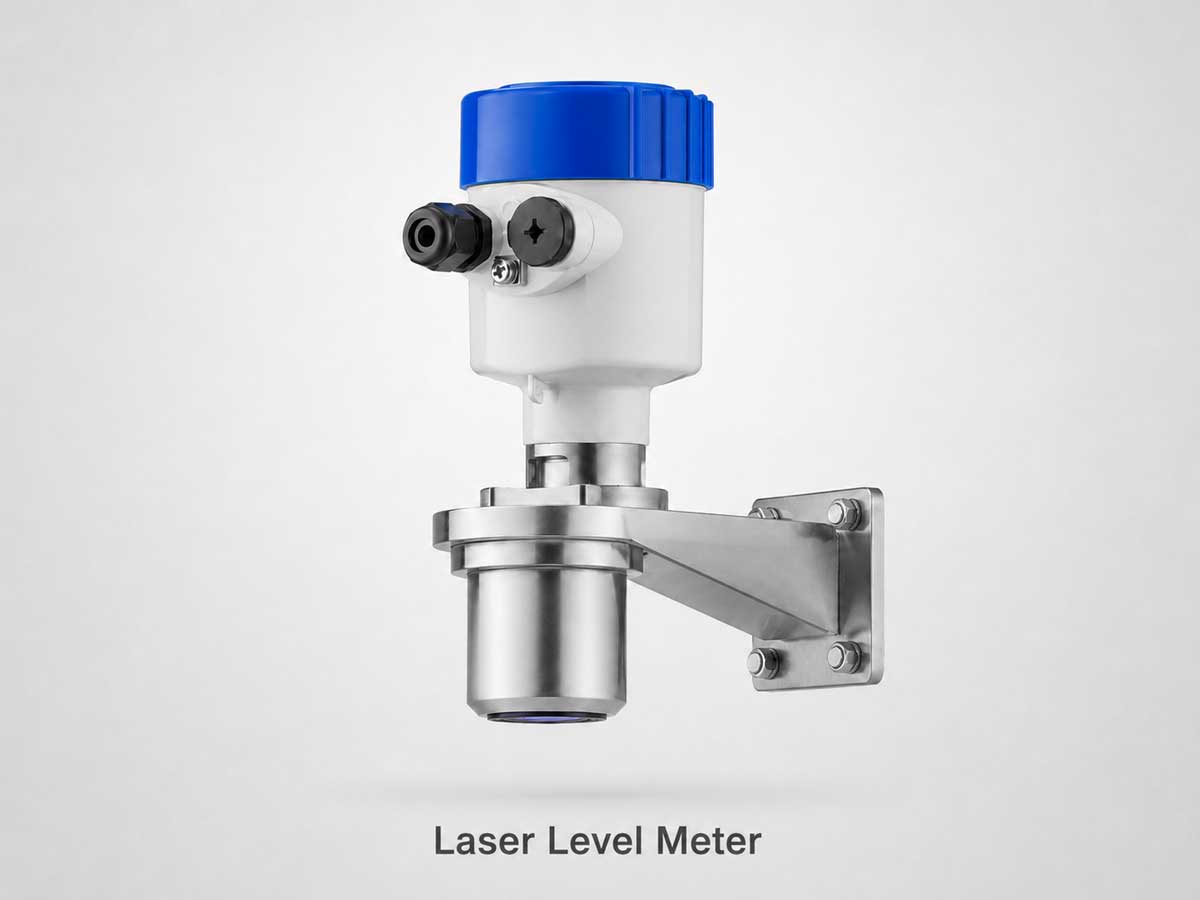
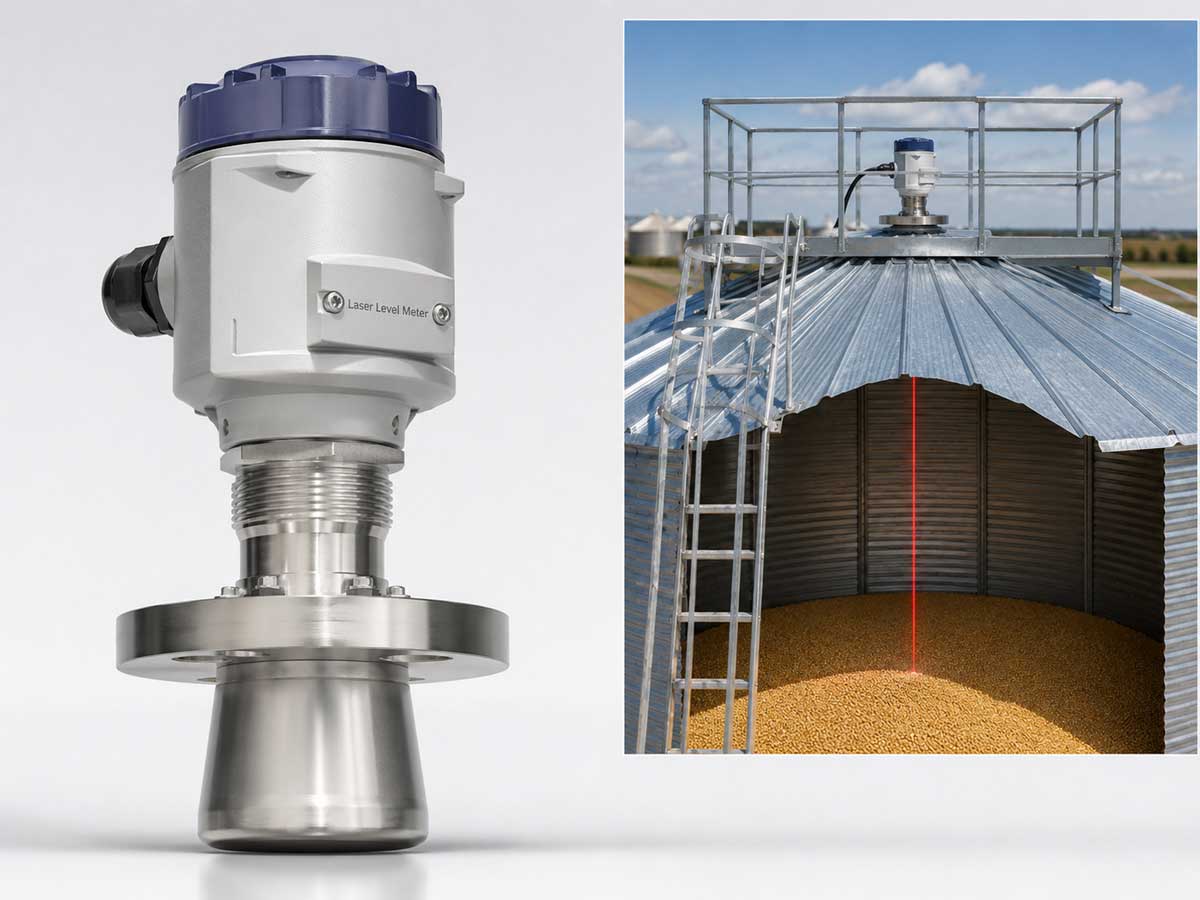
3. Laser Level Monitoring System
Laser level gauges utilize high-precision laser ranging technology.
Advantages:
High measurement accuracy; Fast response speed; Suitable for ultra-high silos.
Disadvantages: Higher cost; Sensitive to dusty environments.
Applicable Scenarios: High-end intelligent warehousing systems.
Why are more and more companies choosing radar level monitoring systems?
In recent years, the application of radar level monitoring technology in the grain industry has grown very rapidly.
The main reasons include:
1. Safer non-contact measurement: No contact with grain is required, reducing equipment wear and safety risks.
2. Stronger stability in high-dust environments: Compared to ultrasonic systems, radar systems are less affected by dust.
3. Longer measurement distance: Ideal for large steel silos and ultra-high silos.
4. High level of intelligence: Easier to integrate with smart grain storage platforms for remote centralized management. Therefore, more and more large grain depots are prioritizing the adoption of radar steel silo level monitoring systems.
For modern grain storage enterprises, choosing a suitable grain silo level monitoring system is crucial not only for inventory management efficiency but also for food security and operational costs. Currently, radar-based steel silo level monitoring systems, with their high precision, high stability, and intelligent features, have become an important direction for the construction of large-scale smart grain silos.
As the digital transformation of the grain industry continues, future level monitoring systems will become even more intelligent and efficient, providing more reliable technical support for the construction of modern smart grain silos.

.jpg)
.jpg)
.jpg)